Reasons to Leave Windows
Man is born free, and everywhere he is in chains." Jean-Jacques Rousseau, and the worst chains are the ones we don't realize we are wearing. Should we submit to digital slavery by blindly accepting what Big Tech decides? Society has trained us to accept that Windows is the OS we should use.
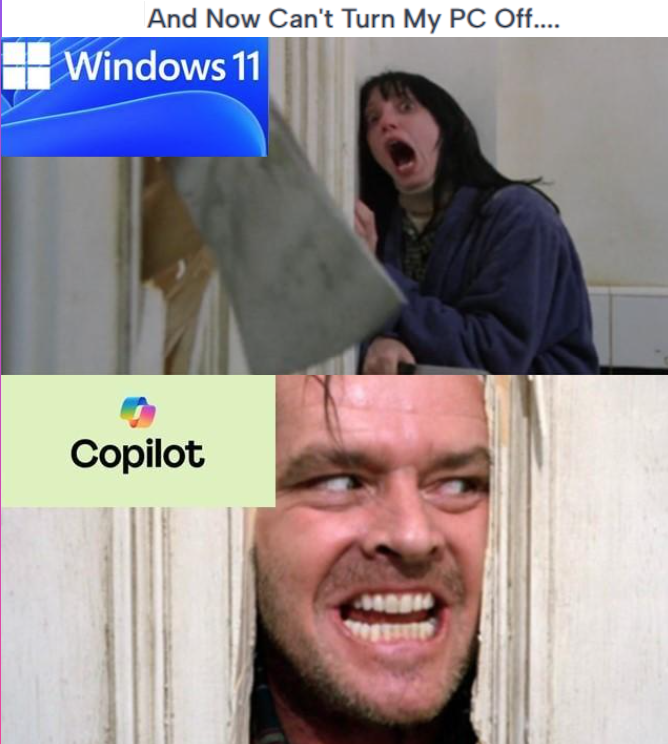
Windows updates are causing a variety of system issues, ranging from minor performance lags to critical boot failures. Microsoft collects data from our devices to show ads. This overhead decreases performance. Unwanted ads are popping up everywhere. Search default settings have changed to another favored by Microsoft, likely due to a browser update, extension, or "browser hijacker" malware. OneDrive, Microsoft's cloud-based storage service, often causes files to be deleted or "disappear" due to its sync behavior. Common problems are occurring from corrupt drivers, software conflicts, a buggy Windows update, or corrupt system files damaged by power surges, improper shutdowns, or malware. Flaws in Windows are being actively exploited by zero-day attacks. The blue-and-black screen loop in Windows is occurring frequently.
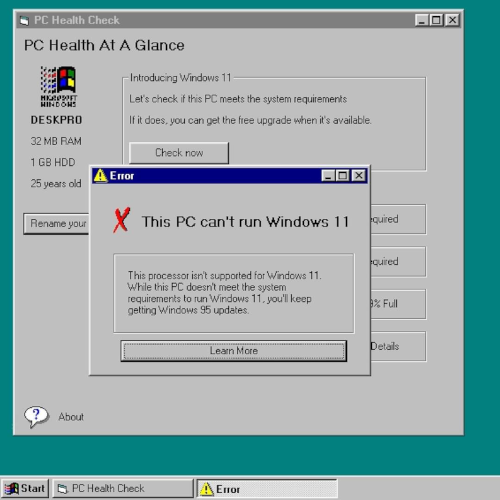
Support for Windows has ended. Security holes will no longer be patched. If your device cannot run Windows 11, you will have to buy a new one.
Many users are switching from Windows to Linux due to strict hardware requirements for Windows 11, the end of Windows 10 support, and dissatisfaction with AI integration, bloatware, and privacy concerns. Some are leaving Microsoft to distance themselves from Microsoft's founder, Bill Gates, due to his documented meetings with Jeffrey Epstein and having affairs with young Russian women.
Aside from the upcoming end-of-life, common issues reported by users:
Forced Updates:
Many users find the automatic, forced update system frustrating, especially when it triggers reboots at inconvenient times.
Storage Consumption:
Upgrading to new versions often leaves behind old system files that can eat up significant disk space.
Slow Search:
Users have noted that the Start menu search is often significantly slower than in previous versions, like Windows 7.
Slow Boot Times:
Various background processes and startup apps can cause sluggish boot times over time..
Data Collection:
Windows is often criticized for sharing a large amount of telemetry and user data with Microsoft by default.
Broken Drivers:
Updates sometimes overwrite working drivers with incompatible versions, leading to issues with sound, printers, or keyboards.
Peripheral Incompatibility:
Users of "legacy" or obscure hardware often find that their drivers are erased or stop working after major updates.
Test Your Linux Knowledge
Required fields are marked with an asterisk *